Space science
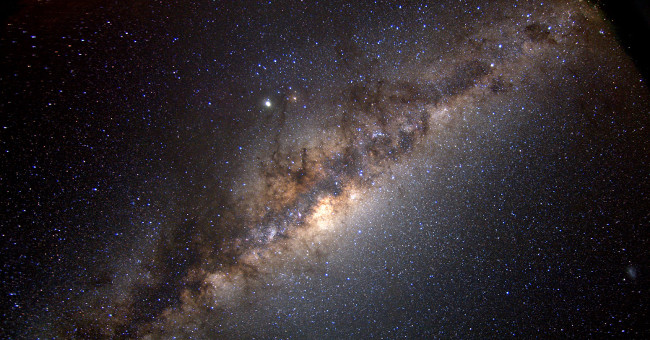
The origin of the Milky Way's name
The name Milky Way is commonly used in Western astronomers 2,500 years ago.
Browse ScienceInfo articles and explainers related to Milky Way.
202 published items.
The name Milky Way is commonly used in Western astronomers 2,500 years ago.
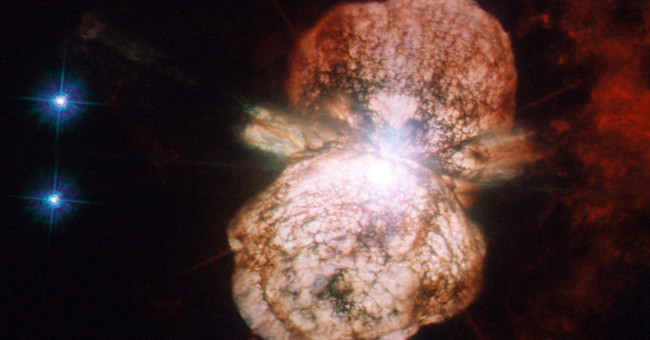
The researchers first published images of the most intense battle of the Milky Way between the two stars, creating strong winds of 10 million km / h hours and a heat of…
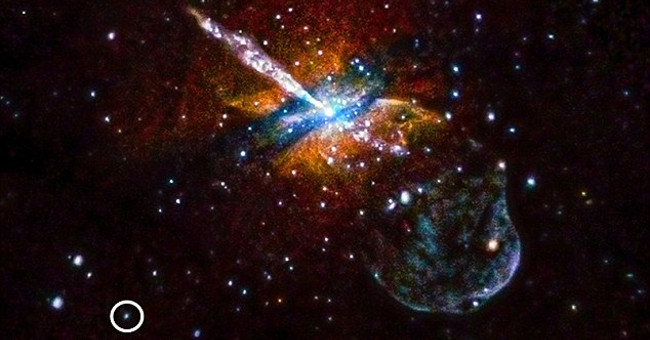
American astronomers discovered from the data stored two mysterious light sources flashed a total of 6 times and lasted for a minute before dissolving.
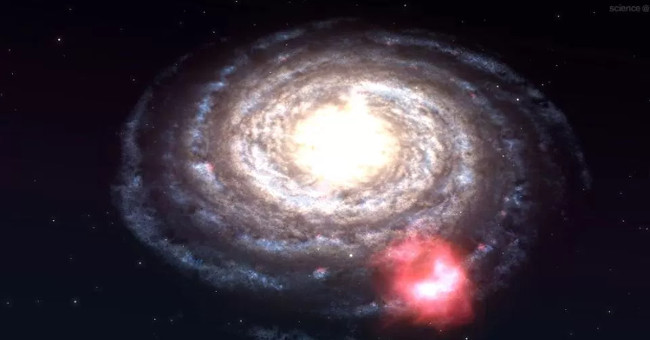
A giant gas sphere called Smith's Cloud will collide with the Milky Way at speeds of up to 1.1 million km / h.
The number of galaxies that exist in the universe actually reaches 2,000 billion, 20 times more than previously calculated.
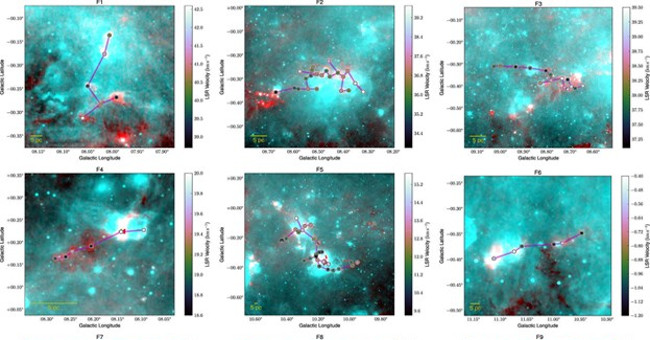
A series of strange spooky skeletons have just been discovered in the center of the Milky Way.
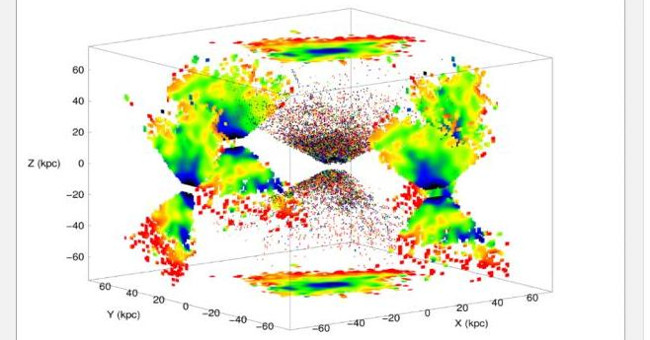
A new technology map that simulates the way the Milky Way galaxy formed in the universe more than tens of billions of years ago is making the global astronomers flutter.
Through the Hubble space telescope, scientists in Italy have discovered a dense cloud of stars in the middle of the Milky Way galaxy, which can reveal a lot about the pa…
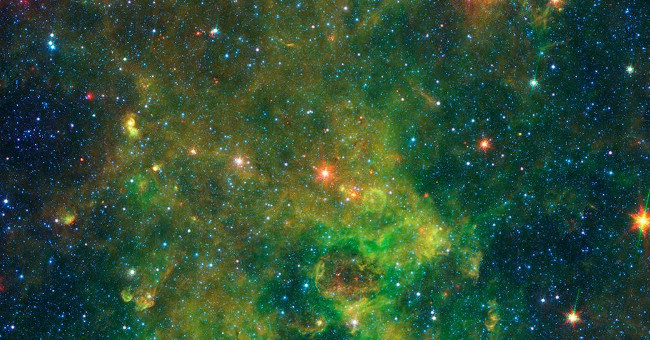
A star discovered in the Milky Way is 12,000 light-years from Earth. It has 10 times the mass of 20,000 energy compared to the Sun. This star has been a headache for sci…
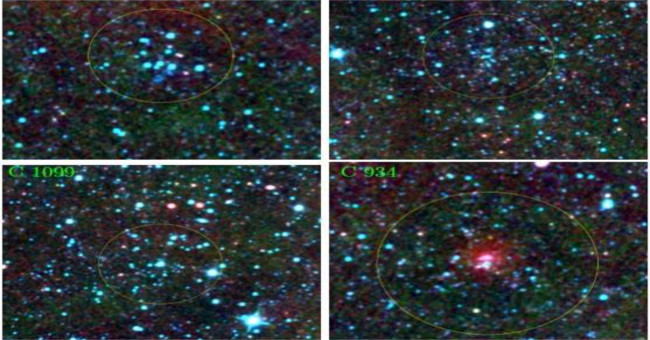
The galaxy's ring disc suddenly appeared 7 curious curiosities of attention.

The mysterious X-shaped structure in the center of the Milky Way can provide additional clues to galaxy formation.
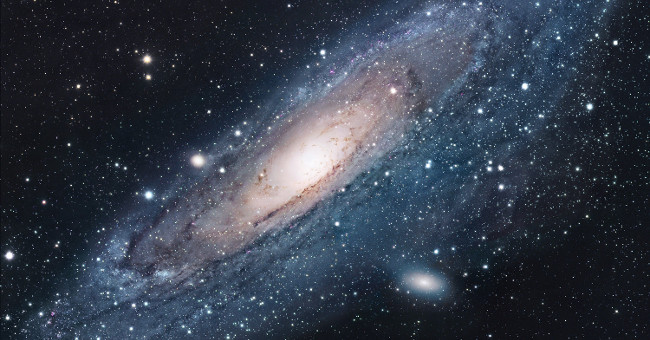
The most accurate measurement conducted by Canadian scientists shows the total mass of stars, black holes, dust, dark matter and unspecified flying objects of the Milky…

The Milky Way or Milky Way is a milky white light strip across the night sky. According to Greek mythology, the Milky Way is the milk flow of the goddess Hera flowing in…

This galaxy is the 4th largest satellite orbiting the Milky Way galaxy.
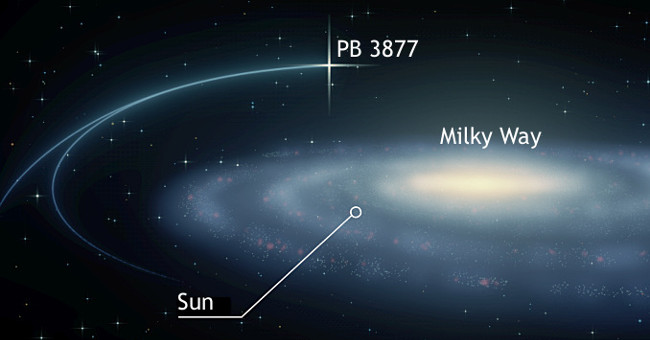
Dubbed PB3877 and located at a distance of 18,000 light-years from Earth, this binary star is not the first super-fast star to be found in our galaxy.